
Transform Your Health with Improve Physical Health Techniques

Improving physical health is essential for anyone looking to enhance their quality of life. I have found that adopting practical, effective techniques can make a significant difference in managing pain, recovering from injury, and boosting overall mobility. This post will guide you through actionable steps to transform your health, focusing on sustainable habits and expert-backed strategies.
Understanding the Importance of Physical Wellness
Physical wellness is more than just exercise; it encompasses a balanced approach to maintaining your body’s strength, flexibility, and endurance. When you prioritize physical wellness, you reduce the risk of chronic pain and injury, improve your energy levels, and support mental well-being.
For example, regular movement helps maintain joint health and muscle tone, which are crucial for preventing stiffness and discomfort. I recommend starting with simple activities like walking or gentle stretching to build a foundation. These small changes can lead to noticeable improvements in how you feel daily.

Practical Improve Physical Health Techniques to Implement Today
To truly transform your health, you need techniques that are easy to integrate into your routine and effective over time. Here are some of the best methods I have found:
Consistent Low-Impact Exercise
Activities such as swimming, cycling, or yoga reduce strain on joints while improving cardiovascular health and flexibility. Aim for at least 30 minutes, five days a week.
Proper Posture and Ergonomics
Maintaining good posture during daily activities prevents unnecessary stress on your spine and muscles. Adjust your workspace to support your back and neck, and take breaks to stretch regularly.
Balanced Nutrition
Fueling your body with nutrient-rich foods supports muscle repair and energy production. Focus on whole grains, lean proteins, healthy fats, and plenty of fruits and vegetables.
Adequate Hydration
Staying hydrated aids in joint lubrication and overall cellular function. Drink water consistently throughout the day, especially before and after physical activity.
Rest and Recovery
Allow your body time to heal by getting enough sleep and incorporating rest days into your exercise routine. Recovery is essential for preventing injury and maintaining long-term mobility.
By applying these techniques, you can create a personalized plan that supports your unique health needs.
The Role of Professional Support in Physical Wellness
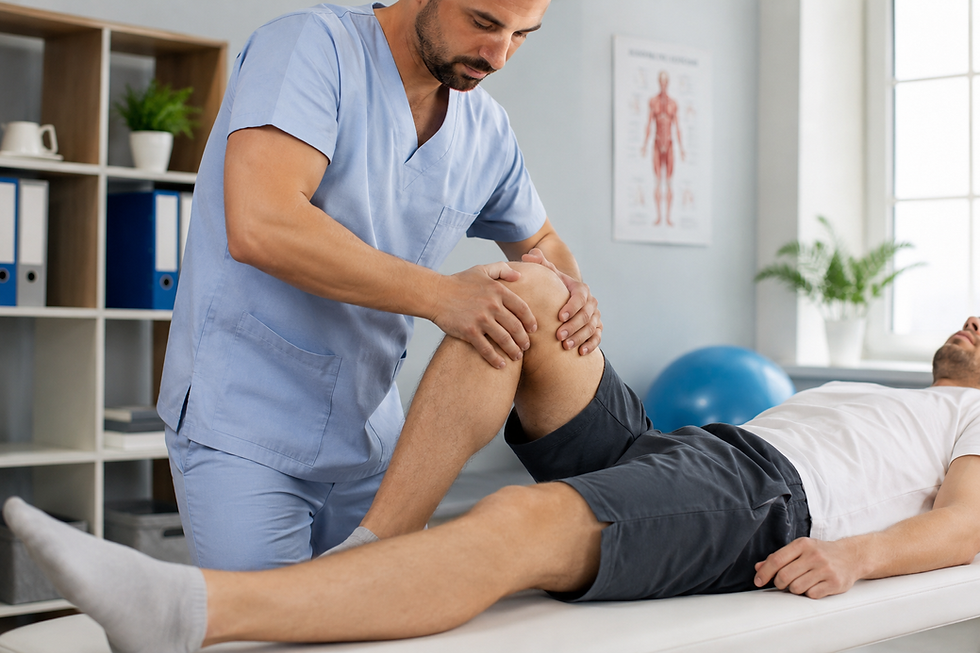
While self-care is vital, professional guidance can accelerate your progress and ensure safety. Working with a physiotherapist or wellness specialist provides tailored strategies to address specific pain points or mobility challenges.
For instance, a physiotherapist can design exercises that target weak areas, improve posture, and enhance flexibility. They also offer manual therapy and pain management techniques that complement your daily routine.
I encourage exploring resources like a physical wellness blog to stay informed about the latest research and tips. These platforms often share expert advice and success stories that can motivate and educate you.

Incorporating Mobility and Flexibility Exercises
Improving mobility and flexibility is crucial for pain relief and injury prevention. I have found that dedicating time to these exercises can dramatically enhance your range of motion and reduce stiffness.
Some effective exercises include:
Dynamic Stretching: Movements like leg swings or arm circles warm up muscles before activity.
Static Stretching: Holding stretches for 20-30 seconds after exercise helps lengthen muscles.
Foam Rolling: Self-myofascial release techniques relieve muscle tightness and improve circulation.
Balance Training: Exercises such as standing on one leg improve stability and coordination.
Incorporate these exercises into your daily routine, especially if you have a sedentary job or experience chronic pain. Consistency is key to seeing lasting benefits.
Long-Term Strategies for Sustained Physical Health
Transforming your health is a continuous journey. To maintain progress, consider these long-term strategies:
Set Realistic Goals: Break down your health objectives into manageable steps. Celebrate small victories to stay motivated.
Track Your Progress: Use journals or apps to monitor pain levels, mobility improvements, and exercise consistency.
Stay Educated: Keep learning about new techniques and therapies that can enhance your wellness.
Build a Support Network: Engage with healthcare professionals, friends, or support groups to share experiences and advice.
Adapt as Needed: Listen to your body and adjust your routine to prevent overexertion or injury.
By committing to these strategies, you create a sustainable path to better health and mobility.
Taking control of your physical wellness is achievable with the right knowledge and tools. Implementing these improve physical health techniques will help you recover from pain, enhance your mobility, and enjoy a more active, fulfilling life. Remember, consistent effort and professional support are your allies in this journey.


Comments