
Discover Effective Pain Management Techniques: Pain Relief Tips for Lasting Comfort

Living with pain can be challenging. Whether it stems from injury, chronic conditions, or daily strain, managing pain effectively is essential for maintaining mobility and quality of life. I have explored various pain relief tips and techniques that can help reduce discomfort and support recovery. This guide offers practical, evidence-based strategies to help you regain control over your body and improve your overall well-being.
Understanding Pain and Its Impact
Pain is a complex experience that affects both the body and mind. It can be acute, such as pain from a recent injury, or chronic, lasting for months or years. Understanding the type and source of pain is the first step toward effective management.
Pain signals travel through the nervous system to the brain, where they are interpreted. Sometimes, pain persists even after the initial cause has healed, which can make treatment more complicated. Recognizing this helps in choosing the right approach, whether it involves physical therapy, medication, or lifestyle changes.
Effective pain management is not just about reducing pain intensity but also about improving function and quality of life. This means addressing physical symptoms and emotional well-being simultaneously.
Practical Pain Relief Tips for Everyday Life
Managing pain requires a combination of strategies tailored to individual needs. Here are some practical pain relief tips that I have found useful:
Stay Active: Gentle movement helps maintain joint flexibility and muscle strength. Activities like walking, swimming, or yoga can reduce stiffness and improve circulation.
Apply Heat or Cold: Heat therapy relaxes muscles and increases blood flow, while cold therapy reduces inflammation and numbs sharp pain. Use heat packs or ice packs for 15-20 minutes as needed.
Practice Good Posture: Proper alignment reduces strain on muscles and joints. Pay attention to your posture when sitting, standing, and lifting objects.
Use Over-the-Counter Pain Relievers Wisely: Non-prescription medications like acetaminophen or ibuprofen can help manage pain temporarily. Always follow dosage instructions and consult a healthcare provider if pain persists.
Incorporate Relaxation Techniques: Stress can worsen pain perception. Techniques such as deep breathing, meditation, or progressive muscle relaxation can help calm the nervous system.
These tips are simple but effective ways to reduce pain and support healing. Consistency is key, and combining several methods often yields the best results.

Physical Therapy and Its Role in Pain Management
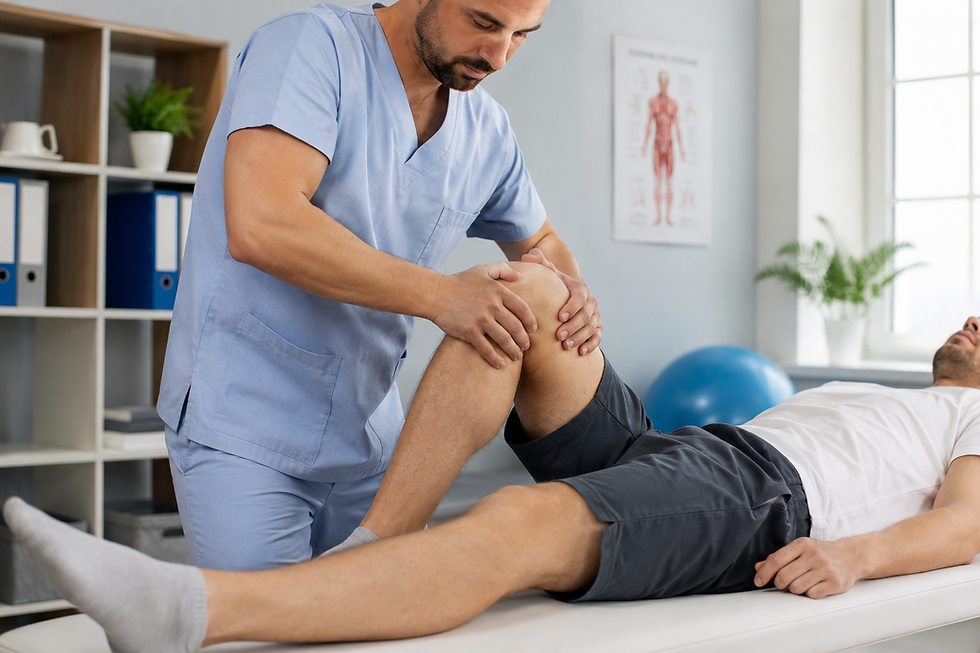
Physical therapy is a cornerstone of effective pain management, especially for those recovering from injury or dealing with chronic musculoskeletal conditions. A trained physiotherapist designs personalized exercise programs that target specific areas of pain and dysfunction.
Physical therapy focuses on:
Restoring Mobility: Through guided exercises, therapists help improve joint range of motion and muscle flexibility.
Strengthening Muscles: Building strength around affected areas supports joints and reduces the risk of further injury.
Correcting Movement Patterns: Therapists identify and address improper movements that may contribute to pain.
Educating Patients: Understanding body mechanics and self-care techniques empowers individuals to manage pain independently.
In my experience, physical therapy not only alleviates pain but also enhances long-term function. It is a proactive approach that addresses the root causes of pain rather than just masking symptoms.
Integrating Mind-Body Approaches for Holistic Pain Relief
Pain is influenced by emotional and psychological factors. Integrating mind-body techniques can complement physical treatments and improve pain outcomes.
Some effective mind-body approaches include:
Mindfulness Meditation: Focusing attention on the present moment helps reduce pain-related stress and anxiety.
Cognitive Behavioral Therapy (CBT): CBT teaches coping skills to change negative thought patterns related to pain.
Biofeedback: This technique uses sensors to help control physiological functions such as muscle tension and heart rate.
Tai Chi and Qigong: These gentle martial arts combine movement, breathing, and meditation to promote relaxation and pain reduction.
These methods encourage a positive mindset and greater body awareness, which can lessen the intensity of pain and improve emotional resilience.

Lifestyle Changes That Support Long-Term Pain Relief
Sustainable pain management often requires lifestyle adjustments. I recommend focusing on habits that promote overall health and reduce pain triggers.
Key lifestyle changes include:
Balanced Nutrition: Eating a diet rich in anti-inflammatory foods like fruits, vegetables, whole grains, and omega-3 fatty acids supports tissue repair and reduces inflammation.
Adequate Sleep: Quality sleep is essential for healing and pain regulation. Establish a consistent sleep routine and create a restful environment.
Weight Management: Maintaining a healthy weight reduces stress on joints, especially in the knees, hips, and lower back.
Avoiding Tobacco and Excessive Alcohol: Both can impair healing and increase pain sensitivity.
Regular Physical Activity: Beyond structured exercise, staying active throughout the day prevents stiffness and promotes circulation.
Implementing these changes can be challenging but yields significant benefits over time. Small, consistent steps lead to meaningful improvements in pain and function.
Seeking Professional Support for Personalized Care
While self-care strategies are valuable, professional guidance is often necessary for effective pain management. Clinics specializing in physical wellness offer comprehensive assessments and tailored treatment plans.
At a dedicated facility, you can expect:
Detailed evaluation of your pain history and physical condition.
Customized therapy programs combining manual therapy, exercise, and education.
Access to multidisciplinary teams including physiotherapists, occupational therapists, and pain specialists.
Ongoing support and adjustments based on progress.
For those in Mississauga, finding a trusted clinic that prioritizes personalized care can make a significant difference in recovery and long-term health. I encourage exploring local resources and consulting healthcare professionals to develop a pain management plan that fits your unique needs.
Moving Forward with Confidence and Control
Managing pain effectively requires a proactive and informed approach. By combining practical pain relief tips, physical therapy, mind-body techniques, and healthy lifestyle choices, you can reduce discomfort and improve mobility.
Remember that pain management is a journey. It involves learning about your body, experimenting with different strategies, and seeking professional support when needed. With patience and persistence, it is possible to regain control and enjoy a more active, fulfilling life.
I hope these insights help you take the next step toward lasting pain relief and improved well-being.


Comments